
What Is Moxibustion?
What Is Moxibustion?
A Traditional Therapy Using Heat to Support Healing
If you are exploring natural therapies for pain relief, digestion, or overall wellness, you may come across moxibustion. This traditional method uses heat to stimulate specific points on the body and support the body’s natural healing process.
What Is Moxibustion?
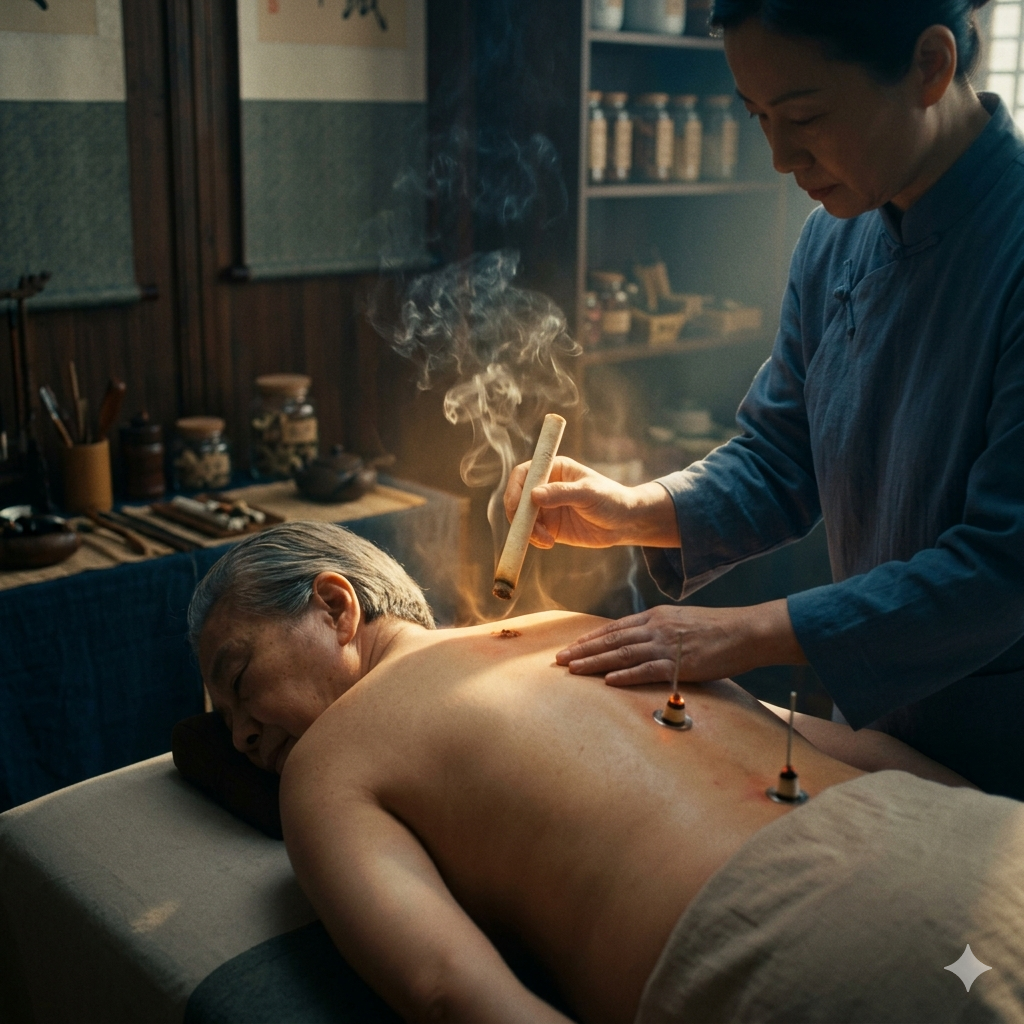
Moxibustion is a therapy in Traditional Chinese Medicine (TCM) that involves burning dried herbal material—commonly mugwort (moxa)—near or on specific points of the body.
The gentle heat generated is believed to:
- Warm the body
- Improve blood circulation
- Support the flow of Qi
- Enhance the body’s healing response
How Does Moxibustion Work?
In TCM theory, moxibustion helps to dispel cold and dampness, and to strengthen Yang energy.
From a modern perspective, the heat stimulation may:
- Increase local blood flow
- Relax muscles
- Provide a soothing effect on nerves
What Conditions Is It Commonly Used For?
Moxibustion is often used as a complementary therapy for:
- Joint pain and muscle stiffness
- Digestive issues (e.g., bloating, poor appetite)
- Menstrual discomfort
- Fatigue and low energy
- Cold-related conditions
What Does It Feel Like?
Most people experience:
- A gentle, comfortable warmth
- A relaxing sensation
It should not feel painful or burning when performed correctly.
Is Moxibustion Safe?
Moxibustion is generally safe when performed by a qualified TCM practitioner.
Possible precautions include:
- Avoiding burns from excessive heat
- Ensuring proper ventilation (due to smoke)
- Not suitable for certain conditions unless advised by a professional
Conclusion
Moxibustion is a traditional heat-based therapy that may help improve circulation, relieve discomfort, and support overall well-being. As with any treatment, it is important to seek professional advice before use.
……………………………………………………………………………………………………………………………………………………………………………………………………..
Disclaimer: The information provided is for general informational purposes only and does not constitute medical advice. Please consult a qualified healthcare professional before making any healthcare decisions.